
Vehicle Care
Winter Car Care in the Pacific Northwest
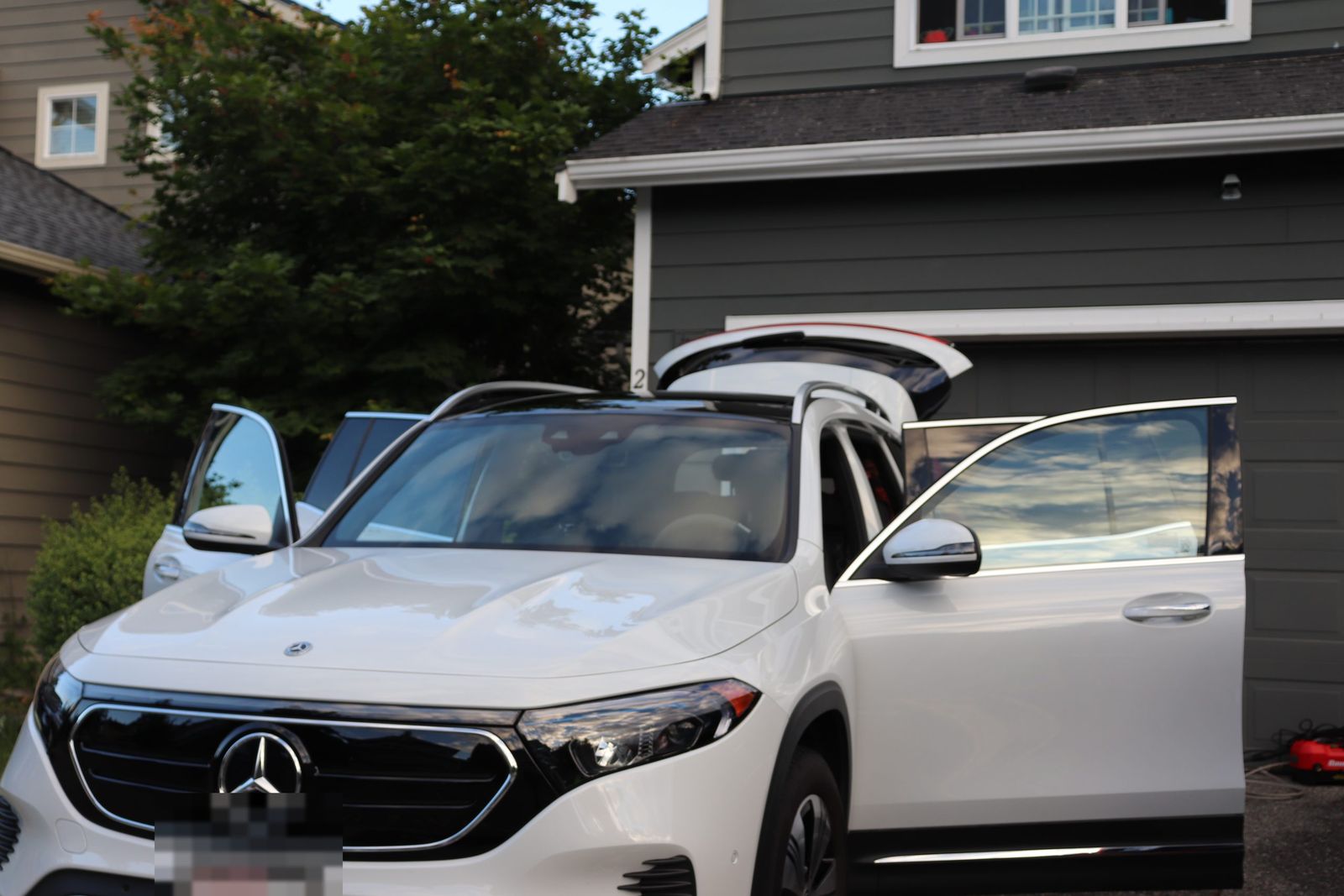
Around here, winter does not arrive with a blizzard. It arrives as five straight months of rain, grit, and gray. From late October through March, Eastside roads stay wet, the highways get treated with salt and brine, and every drive leaves another layer of grime baked onto your paint. Your car takes more abuse in a Pacific Northwest winter than most people realize, and a quick run through a gas station wash does not keep up. Here is what the wet season actually does to your vehicle, and how to stay ahead of it.
- A paint sealant is the single best winter defense. It makes salt and grime rinse off instead of etching in
- Wash off road brine every 2 to 3 weeks through the wet months
- The interior takes a beating too, from trapped moisture and salt stains
- Mobile detailing means you never hand wash a car in a cold December driveway
What a Pacific Northwest winter does to your car
The damage is slow and it adds up. A few of the biggest culprits:
- Road brine and salt. When temperatures drop, WSDOT treats highways and mountain passes with salt and magnesium chloride anti-icer. That spray kicks up onto your paint, wheels, and undercarriage, where it holds moisture against the metal and speeds up corrosion.
- Constant road grime. Wet roads mean a steady film of dirt, oil, and brake dust on every panel. Left alone, it bonds to the clear coat and dulls the finish.
- Mud and standing water. Trips to the mountains, gravel driveways, and flooded intersections throw mud into wheel wells, door jambs, and the rocker panels most washes never touch.
- Interior moisture. Wet shoes, dripping jackets, and foggy glass trap humidity inside the cabin. Over a long winter that can mean musty carpets, stained mats, and in the worst cases mildew.
- Low winter sun. Grime on your glass and a filmy windshield turn every sunrise and sunset commute into a glare hazard.
None of this is dramatic on any single day. That is exactly why it sneaks up on people. By February, a car that looked fine in October is wearing a whole season of salt and film.

A simple winter protection plan
You do not need to fuss over your car every weekend. You need the right protection in place and a steady rhythm. Here is a plan that holds up through a wet PNW winter:
| What to do | Why it matters | How often |
|---|---|---|
| Wash off road salt and grime | Stops brine and film from bonding to the clear coat | Every 2 to 3 weeks |
| Apply a paint sealant | Adds a slick barrier so salt and water rinse off cleanly | Every 3 to 6 months |
| Clean and protect wheels | Brake dust and brine are most corrosive here | With each wash |
| Deep clean the interior | Pulls out moisture, mud, and salt stains before they set | Monthly through winter |
| Clear the glass, inside and out | Cuts glare from the low winter sun | With each detail |
Paint protection is the real priority
The single best thing you can do for your car in winter is put a barrier between your paint and the road. A fresh coat of sealant makes the surface slick, so salt, brine, and grime rinse away instead of clinging and etching. It is the difference between a quick rinse restoring your shine and a season of buildup slowly dulling it.
That is the whole idea behind our Platinum Detail, which finishes with a 3-to-6-month paint sealant built for exactly this kind of weather. If you want the full exterior and interior reset without the long-term sealant, the Gold Detail still covers wheels, trim, and every panel. Not sure which fits your car? See all our services.
Do not skip the interior
Winter is tough on the inside of a car too, and it is the part people skip. All that moisture from wet shoes and jackets has nowhere to go, so it settles into carpets and mats. Road salt tracks in and leaves white stains on the floor. A full interior detail pulls the moisture and grit out before they turn into odor or mildew, and protects the surfaces you touch every day. If you have ever wondered what is actually included in a full detail, the interior is where most of the real work happens.

The parts you cannot see
Wheels, tires, and wheel wells take the worst of winter. They sit closest to the brine and road spray, and brake dust is acidic on its own. Cleaning and dressing them regularly is not just about looks. It keeps corrosive buildup from sitting on the finish all season. The same goes for door jambs and rocker panels, the hidden edges where salt and mud collect and quietly do their work.
Why mobile detailing makes winter easy
The hardest part of winter car care is doing it at all. It is cold, it is wet, and nobody wants to hand wash a car in a December driveway. That is where coming to you changes everything. Our rig is fully self-contained with onboard water and power, we work in light rain under pop-up canopies, and we book evenings and weekends so it fits a real schedule. We use pH-neutral, EV-safe chemistry on every vehicle, so your Tesla, Rivian, or any other EV is handled correctly.
We bring that service across the Eastside, from Kirkland and Bellevue to Bothell, Woodinville, and the rest of our service area. No mobile fee, no dropping the car off, no waiting room.
Stay ahead of winter with the Trail Club
If you want your car protected all season without having to remember to book, the Sasquatch Trail Club handles it. You get a maintenance detail every month plus locked-in member pricing, so your paint protection never lapses through the worst of the wet season. It is the easiest way to roll into spring with a car that still looks the way it did in fall.
Ready to get ahead of winter? Book a detail and we will come to you.


